

 See My Latest Article on HelloNation
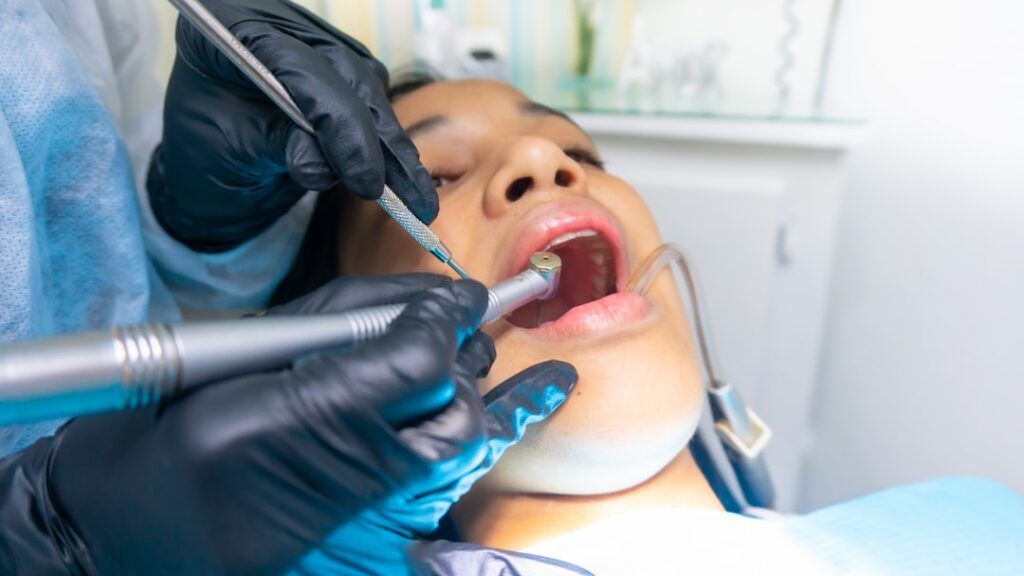
What Causes Bad Breath for Alliance, NE Residents?
Bad breath, or halitosis, is often the result of common issues in oral hygiene or daily health habits. While everyone experiences it occasionally, certain patterns in diet, dental care, and lifestyles common in Alliance, NE can make it more persistent.
Common causes include:
- Food particles left in the mouth
- Bacteria buildup on the tongue or gums
- Dry mouth from medications or sleeping with your mouth open (especially in dry or windy High Plains weather)
- Smoking and tobacco habits
- Underlying medical conditions or chronic mouth infections
Local residents may also notice worsened symptoms during dry winter months when indoor heating lowers humidity, contributing to dry mouth.
How Does Poor Oral Hygiene Lead to Bad Breath?
Neglecting oral hygiene allows odor-causing bacteria to thrive. When brushing and flossing aren't thorough, food debris can stay trapped around the teeth and under the gumline. These particles break down and release unpleasant smells. Bacterial plaque build-up also contributes, especially if brushing is rushed or nighttime routines are skipped.
Brushing twice daily and cleaning the tongue, along with regular flossing, are essential steps to minimize these bacteria and the unpleasant odors they cause.
Could Foods and Beverages Be Making It Worse?
Yes—specific foods and drinks are notorious for causing noticeable breath issues. Garlic, onions, coffee, and certain spices contain compounds that linger in the mouth and are absorbed into the bloodstream, reaching the lungs and escaping through breaths for hours after consumption.
For households in the community that enjoy robust, home-cooked meals, even healthy items can contribute if strong flavors or certain dairy products are common. Rinsing the mouth with water after meals and consuming crunchy fruits or vegetables can help reduce food-related odors.
Is Dry Mouth a Common Issue in the Area?
Reduced saliva leads to longer-lasting bad breath, and dry mouth is something many local residents experience—especially during windy seasons, cold winters with heavy indoor heating, or as a side effect of common medications. Saliva is crucial for naturally washing away food and bacteria.
To help with this locally:
- Stay hydrated with plain water, especially during cold months when the air is dry
- Use a humidifier at home if heating systems are running frequently
- Chew sugarless gum to prompt natural saliva production
Are Smoking and Tobacco Use a Factor?
Tobacco products—smoked or smokeless—significantly worsen breath and oral health. They not only leave lingering odors but also dry out the mouth and raise risk of gum disease, which is also a major cause of chronic bad breath.
Local cessation efforts and support groups are available, and those who use tobacco should be aware of their increased risk for persistent breath problems.
How Can Gum Disease or Other Oral Conditions Cause Bad Breath?
Gum disease (periodontal disease) is a leading cause of chronic bad breath. It arises from plaque buildup along and under the gums, causing persistent infection and odor as bacteria multiply. Other oral infections, mouth sores, and decaying teeth can also play a role.
Warning signs to watch for:
- Bleeding or swollen gums
- Persistent bad taste or odor despite brushing
- Loose teeth or discomfort when chewing

If these symptoms occur, addressing them promptly can help resolve long-term breath issues and protect oral health.
Are There Misconceptions About Breath Freshening?
Breath mints, sprays, and mouthwashes can mask odors temporarily but don't address the underlying sources of bad breath. Some products contain alcohol that can worsen dryness, especially in the dry climate households often experience in Alliance.
Effective odor control comes from removing food debris and bacteria, not just covering up the smell.
Simple Habits to Prevent Bad Breath Day-to-Day
Reducing and preventing bad breath usually means focusing on consistent, practical habits:
- Brush teeth and tongue thoroughly twice a day
- Floss daily to remove particles between teeth
- Drink water regularly, especially after meals or snacks
- Eat fresh, crunchy produce to help clean the mouth
- Avoid tobacco products
- Replace toothbrushes every few months, as worn brushes clean less effectively
Residents who sleep with their mouths open due to allergies or the dry environment may benefit from nasal saline sprays or additional hydration.
When Should You Be Concerned About Persistent Bad Breath?
If breath odors continue despite good oral hygiene, it may signal gum disease, untreated cavities, or other health conditions like sinus infections or diabetes. In those cases, seeking a clinical evaluation is appropriate. Keeping a journal of symptoms, foods, and hygiene habits may help clarify the source and guide the next steps.