

 See My Latest Article on HelloNation
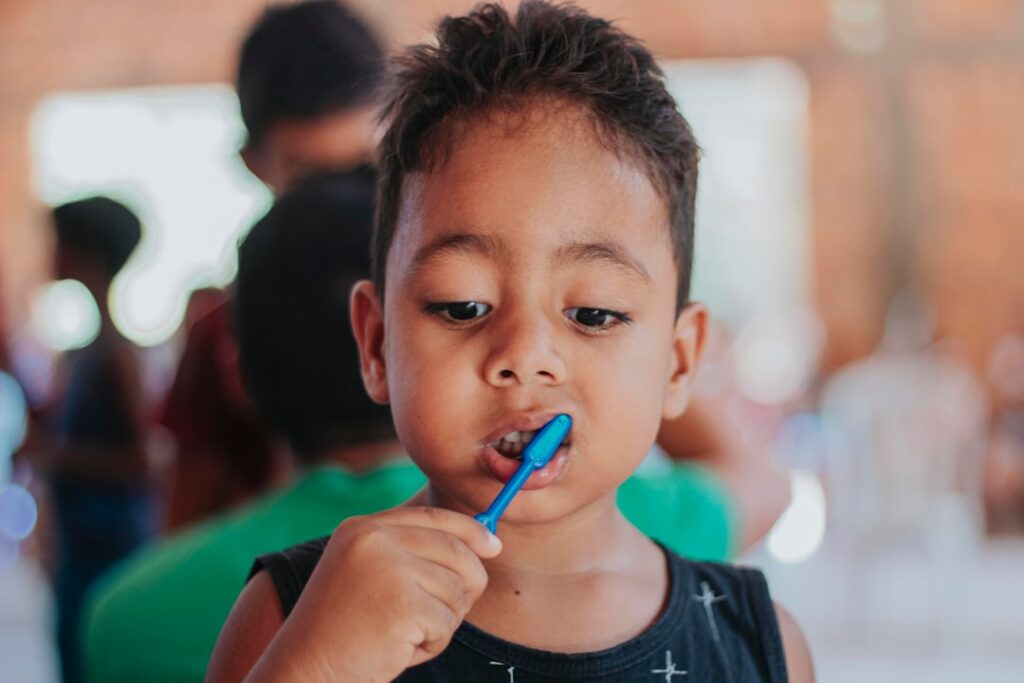
Why Teaching Kids to Brush Properly Matters in Alliance, NE
Learning proper toothbrushing early can make a lifelong difference for local children. In Alliance, NE, where many families value preventive health and active lifestyles, children with healthy brushing habits are less likely to deal with cavities, discomfort, or missed school days due to dental pain. Early investment in correct technique also builds confidence, reduces anxiety about dental visits, and supports strong self-care routines as children grow.
At What Age Should Kids Start Brushing Their Own Teeth?
Children can begin brushing with help as soon as their first teeth emerge, often around six months old, but most local families find that children aren’t ready to brush effectively on their own until about six or seven years old. Until then, adults should assist or supervise. The goal is to gradually train children to take over as their hand skills and understanding improve.
How Much Toothpaste and What Type Should Be Used for Kids?
Start with a smear of fluoride toothpaste—about the size of a grain of rice—when the first tooth appears. By age three, a pea-sized amount is appropriate. Fluoride helps prevent cavities, which is especially important in areas with moderate seasonal changes like Alliance, where kids may be more likely to snack indoors during colder months.
- Fluoride toothpaste is safe in these small amounts, even if children aren't perfect at spitting.
- Toothbrushes should have soft bristles and a head that fits comfortably in the child’s mouth.
- Replace brushes every 3-4 months, or sooner if bristles are frayed.
What’s the Best Way to Demonstrate Brushing Technique?
Show kids how to brush using gentle, circular motions instead of back-and-forth scrubbing. Demonstrations work best when adults model the motions and brush their own teeth alongside their child. Kids learn by copying, so invite them to mimic each step:
- Hold the brush at a slight angle toward the gumline.
- Use small, circles to clean the front, back, and chewing surfaces of every tooth.
- Brush for two minutes—singing a favorite song or using a timer makes this more engaging.
Progress is more likely when routines are fun and cooperative rather than rushed or forced.
How Often and When Should Kids Brush Their Teeth?
Children should brush twice daily: after breakfast and before bed. The nighttime brushing step is particularly crucial for Alliance families, as leaving sugars and food debris on teeth overnight increases the risk of cavities, especially in children who snack on milk or juice before bedtime during the city's colder winter evenings.
On busy mornings or evenings packed with activities, a visual chart or sticker system can help remind kids and track consistency without nagging.
How Can Parents and Caregivers Make Brushing Enjoyable?
Kids in Alliance respond well to playful routines, especially during long winter months when they may spend more time indoors. Some locally tested strategies include:
- Playing a two-minute song or using a brushing app with animation
- Letting kids choose a toothbrush with a favorite color or character
- Turning brushing into a family activity so children see adults making oral care a priority
- Reading books or watching shows together that show positive brushing routines
- Using a sand timer, found at many local retailers and home stores
Creating positive associations with brushing also means praising effort rather than aiming for perfection. Avoid threats or punishments if a session is missed—consistency grows from encouragement.
What Common Mistakes Should Be Avoided?
Many parents accidentally undermine good habits by:

- Letting kids brush unsupervised too early—always help until at least age six.
- Using adult toothpaste with too much fluoride before children can reliably spit.
- Forgetting to brush the inside surfaces of the teeth and along the gumline.
- Rushing the process, especially before school or bedtime.
- Sharing toothbrushes between siblings, which can transfer bacteria.
Being aware of these mistakes and adjusting the routine accordingly can make brushing more effective for area households.
Are There Local Factors Families Should Consider?
Seasonal climate can influence oral care in subtle ways in the city. In winter, for example, children may consume more hot drinks or sweetened snacks, which means a more diligent brushing routine is helpful. Alliance’s water supply typically contains fluoride, but using an age-appropriate toothpaste is still recommended for children’s additional protection.
For families on wells or using filtered water, it’s worthwhile to check fluoride levels. Consistent habits matter most—making brushing a predictable part of daily routines helps kids adapt, regardless of their household setup.
How Should Caregivers Monitor Kids’ Toothbrushing Progress?
Check children’s teeth after brushing—teeth should look clean with minimal plaque or food. Let kids finish the brushing session, then do a “once-over” yourself until you’re confident in their abilities. Some kids enjoy using toothpaste that changes color as they brush, making it fun and easier for adults to check their work.
Gradually give children more independence as they master technique, but check in regularly until brushing habits are fully set—typically well into the elementary years.
What if a Child Doesn’t Want to Brush?
Resistance is normal at times. In the community, families often find gentle persistence helps more than strict rules. Try:
- Keeping toothbrushes and toothpaste visible and easily accessible
- Letting the child brush a caregiver’s teeth for fun, then switching roles
- Building brushing into a larger bedtime or morning routine with rewards that are not food-based
- Offering choices: “Would you like to brush before your bath or after?”
When frustration arises, take a break and try again in a few minutes rather than turning brushing into a source of conflict.