

 See My Latest Article on HelloNation
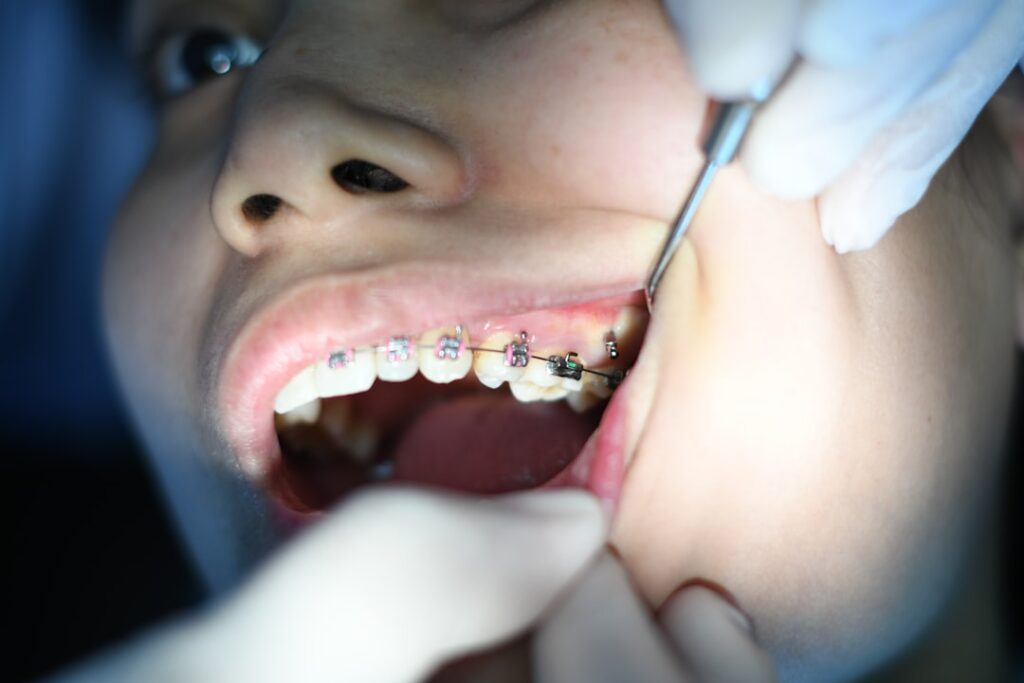
When Are Children Ready to Begin Flossing?
Most children should start flossing when any two teeth touch, which can happen as early as age two or three. Before this point, brushing alone typically removes enough plaque and debris. Once teeth have contact with one another, food and bacteria can collect in the spaces between, places a toothbrush cannot always reach.
In Alliance, NE households, dental professionals commonly recommend that parents or caregivers supervise or assist with flossing until children are able to handle the task independently—usually by age eight to ten, depending on their dexterity and interest.
Why Flossing Matters for Young Children
Even baby teeth need daily protection from cavities, and flossing plays a critical role. Children in the city often enjoy snacks, milk, and juice, all of which leave sugars that can become cavity-causing bacteria in the mouth, especially between teeth. Rural water supplies in parts of the Panhandle sometimes have lower fluoride content, making rigorous oral hygiene even more important for growing children.
Skipping flossing may lead to:
- Cavities between teeth, where toothbrushes can't reach
- Gingivitis (gum inflammation), which can begin in childhood
- Difficulty cleaning around tight baby teeth if flossing is started too late
Flossing helps set up lifelong habits and confidence with oral care, giving local children a better chance at good dental health as adults.
How Can Parents Tell If Their Child Needs to Start Flossing?
Look inside your child’s mouth to check if any two teeth are touching side by side. If so, it’s time to introduce flossing. For many area families, the first molars erupt and make contact around age two or three, though exact timing may vary.
Common signs it’s time to begin include:
- Visible food trapped after meals
- Gums that bleed slightly after brushing, a common sign of missed plaque
- Questions from your child about what floss is for—as curiosity grows, skills can too
Local children may have varied spacing in their teeth—some have more room between, requiring less frequent flossing at first, while others have close contacts sooner.
Helping Children Learn to Floss
Flossing takes practice and coordination. At first, most children in the community need hands-on help. Sit together in a well-lit room, and gently guide floss between the teeth, moving in a gentle “C” shape against each surface. Floss picks may be easier for small hands, though regular floss is just as effective if used correctly.
Ways families in the area encourage flossing habits:
- Make it part of a consistent evening routine along with brushing
- Use songs or favorite stories to help mark the time needed
- Model the behavior—when children see caregivers floss, they’re more likely to try it themselves
Winter and dry seasons in the region can bring chapped lips and sensitive gums, so choose soft or waxed floss to avoid irritation and make the process easier for beginners.
Should Children Floss Every Day?

Daily flossing is recommended for all ages, including young children once teeth touch. For busy families, aim for at least several times a week if daily flossing feels like too big of a hurdle at the start. Even a few times per week helps decrease the risk of cavities forming between tightly spaced teeth.
For some, the evening routine is ideal, since saliva flow (which helps wash away food) slows overnight. If mornings work better for your household, consistency matters more than the specific time.
What If Children Resist Flossing?
It’s normal for young children to protest or squirm at first. In those situations:
- Keep sessions brief and positive—avoid scolding or pressure
- Let kids watch themselves floss in a mirror
- Allow choice over type of floss or floss holder
- Use reward systems, such as sticker charts, to recognize effort rather than perfection
Consistent, gentle encouragement is the most successful approach for community households.
Are There Unique Concerns in Alliance Related to Flossing?
Local families sometimes face long commutes, irregular schedules, or farm and outdoor work that can disrupt routines. Keeping floss available in multiple places—such as bathrooms, cars, or kitchen drawers—helps families remember, even during harvest seasons or sports tournaments.
Children who drink well water rather than municipal water may be at higher risk for tooth decay if fluoride is not present, making effective flossing especially worthwhile for protecting growing smiles.
Dry air and seasonal allergies can also increase mouth breathing, which may lead to drier gums. In these cases, flossing gently with soft, waxed floss and ensuring good hydration can help prevent discomfort for sensitive young mouths.
How Long Should Parents Help With Flossing?
Manual dexterity for effective flossing develops at different rates. Children living in the city tend to be ready to floss independently somewhere between ages eight and ten. Before this, parents or caregivers should supervise and guide, checking teeth afterward for missed spots.
A good rule of thumb: if a child can write their name clearly by hand, they are likely able to try flossing on their own, with adults cheering them on and stepping in as needed.