

 See My Latest Article on HelloNation
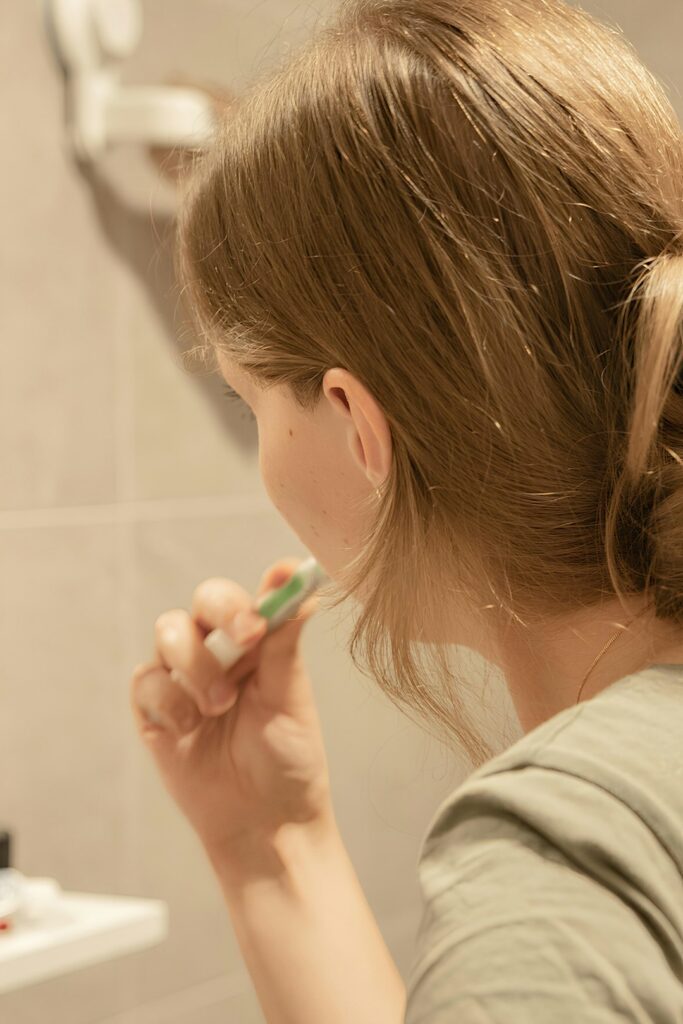
What should most families look for first?
For most households, the most useful starting point is a fluoride toothpaste intended for cavity prevention. Toothpaste does not need to be expensive, strongly flavored, or marketed for a specific age group to be effective. The key factors are fluoride content, safe use, and whether the formula fits a person’s needs.
Families in Alliance may keep several toothpaste varieties at home, especially when children, adults with sensitive teeth, or people with braces share the same bathroom. A simple approach is to choose a fluoride toothpaste for general use, then add specialized products only when there is a clear reason.
Why does fluoride matter?
Fluoride helps strengthen tooth enamel and makes teeth more resistant to acid produced by plaque bacteria. Regular brushing with fluoride toothpaste is one of the most reliable daily habits for reducing the risk of cavities.
Look for fluoride listed as an active ingredient on the package. Common forms include sodium fluoride, stannous fluoride, and sodium monofluorophosphate. The exact ingredient is usually less important than using the product consistently and brushing thoroughly.
A toothpaste labeled “natural,” “herbal,” or “fluoride-free” is not automatically safer or better. Fluoride-free products may be appropriate in limited situations, but they do not provide the same cavity-prevention benefit as fluoride toothpaste. Families who are unsure whether fluoride-free toothpaste is suitable should consider the person’s cavity history, age, and risk factors.
How much toothpaste should children use?
Young children need only a small amount, and an adult should supervise brushing until the child can reliably spit out the toothpaste.
- From the first tooth through age 3, use a smear about the size of a grain of rice.
- From ages 3 through 6, use no more than a pea-sized amount.
- After age 6, a larger amount is generally unnecessary; covering the toothbrush with a thick layer does not improve cleaning.
Children should brush twice daily, with an adult helping or watching when needed. Many children lack the hand control to clean along the gumline and behind the back teeth effectively. Supervision also helps prevent repeated swallowing.
Fluoride toothpaste should be kept out of reach of very young children, since eating large amounts can cause stomach upset and, over time, contribute to changes in developing tooth enamel.
Is children’s toothpaste necessary?
Not always. A separate children’s toothpaste may have a milder flavor, a smaller tube opening, or packaging that appeals to younger users. Those features can make brushing easier, but they do not determine whether the toothpaste works.
The more important questions are:
- Does it contain fluoride?
- Can the child tolerate the flavor?
- Is the toothpaste used in the correct amount?
- Is brushing supervised when necessary?
A child who refuses to brush because of a strong mint flavor may do better with a milder option. However, very sweet flavors can sometimes encourage children to treat toothpaste like food. The product should remain part of brushing, not a snack or reward.
For infants, caregivers can clean the gums with a soft, clean cloth. Once teeth begin to appear, brushing should begin. Families with children under age 2 can ask a dental or medical provider how fluoride toothpaste fits their child’s specific needs, particularly if the child frequently swallows toothpaste.
Which toothpaste helps with sensitive teeth?
For adults and older children with occasional sensitivity, a desensitizing toothpaste may reduce discomfort from cold drinks, sweet foods, or brushing. These products commonly contain ingredients designed to block pathways in the tooth or reduce the response of the nerve.
Sensitivity toothpaste usually requires consistent use rather than a single application. It may take several days or weeks to provide noticeable relief.
Sensitivity should not automatically be blamed on “weak enamel.” It may also be related to gum recession, worn enamel, clenching, a cracked tooth, an old filling, or tooth decay. Pain that is severe, persistent, limited to one tooth, or present without a clear trigger deserves evaluation rather than being covered up with a different toothpaste.
Do whitening and charcoal toothpastes work?
Whitening toothpaste can help remove some surface stains caused by coffee, tea, tobacco, or certain foods. It generally cannot change the natural color of a tooth or remove deeper discoloration in the same way as professional whitening treatments.

Some whitening formulas use more polishing agents. If a person notices increased sensitivity, rough-feeling teeth, or gum irritation, switching to a less abrasive toothpaste may be more comfortable.
Charcoal toothpaste is often promoted as a natural whitening choice, but dark color does not mean better cleaning. Charcoal products may be abrasive, and many do not contain fluoride. The absence of fluoride can be a disadvantage if cavity prevention is the main goal.
What about tartar-control toothpaste?
Tartar-control toothpaste may help reduce the buildup of hardened plaque above the gumline, but it cannot remove tartar that is already firmly attached to teeth. Hardened deposits require professional instruments.
Some tartar-control ingredients may irritate people with sensitive mouths. If a product causes burning, peeling, or persistent soreness, discontinue it and choose a milder formula. Mouth irritation can also result from flavoring agents, foaming ingredients, or other additives rather than fluoride itself.
Is toothpaste with baking soda or a strong flavor better?
Baking soda formulas can provide a clean-feeling mouth and may help neutralize acids. A strong tingling sensation, however, is not proof that toothpaste is cleaning more effectively.
The same principle applies to intense mint flavors and heavy foaming. Toothpaste works through its ingredients and brushing technique, not through a burning sensation or a large amount of foam. People with dry mouth, mouth sores, braces, or sensitive tissues may prefer a gentle, low-irritation formula.
How can local households make a practical choice?
Seasonal routines can affect oral care. During cold, dry periods, indoor heating may contribute to dry mouth for some residents, while busy school schedules, sports activities, and travel can make brushing less consistent. Dry mouth increases the importance of regular fluoride exposure because saliva normally helps protect and repair enamel.
A practical household setup may include:
- One everyday fluoride toothpaste for most family members.
- A child-friendly fluoride formula if flavor or texture affects brushing.
- A sensitivity formula for someone with recurring temperature-related discomfort.
- A dentist-recommended high-fluoride product only when specifically prescribed.
Water sources, medications, diet, and previous cavities can influence individual fluoride needs. Rather than choosing toothpaste based only on age or advertising, consider the person’s oral health history and ability to use the product safely.
How should toothpaste be used for the greatest benefit?
Brush for about two minutes twice a day with a soft-bristled toothbrush. Use gentle pressure, clean every tooth surface, and pay attention to the gumline and back teeth. Spit after brushing rather than rinsing repeatedly with large amounts of water, since extensive rinsing can wash away fluoride left on the teeth.
Toothpaste supports oral hygiene, but it does not replace cleaning between teeth, limiting frequent sugary snacks and drinks, or addressing persistent dental symptoms. For most families, the right choice is a fluoride toothpaste that everyone can use comfortably and correctly.